7 Comfort-First Travel Tips for Scenic Seekers (50+ Friendly)
Sarah Jensen • January 14, 2026
The body content of your post goes here. To edit this text, click on it and delete this default text and start typing your own or paste your own from a different source.
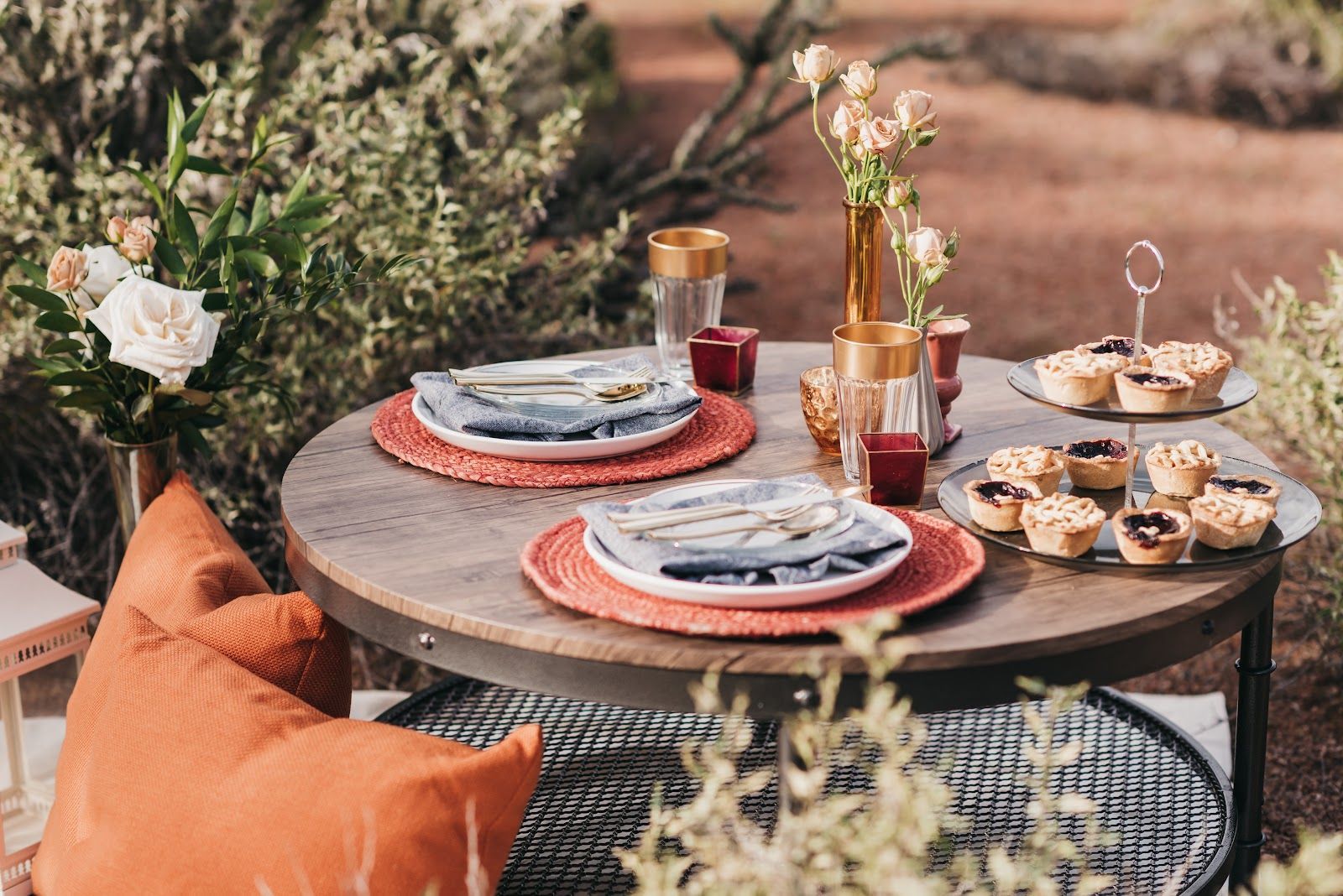
Spending Thanksgiving in Sedona? Where to book dinner, what the weather is like, how to avoid holiday crowds and a calm, unhurried long-weekend plan for 2026.
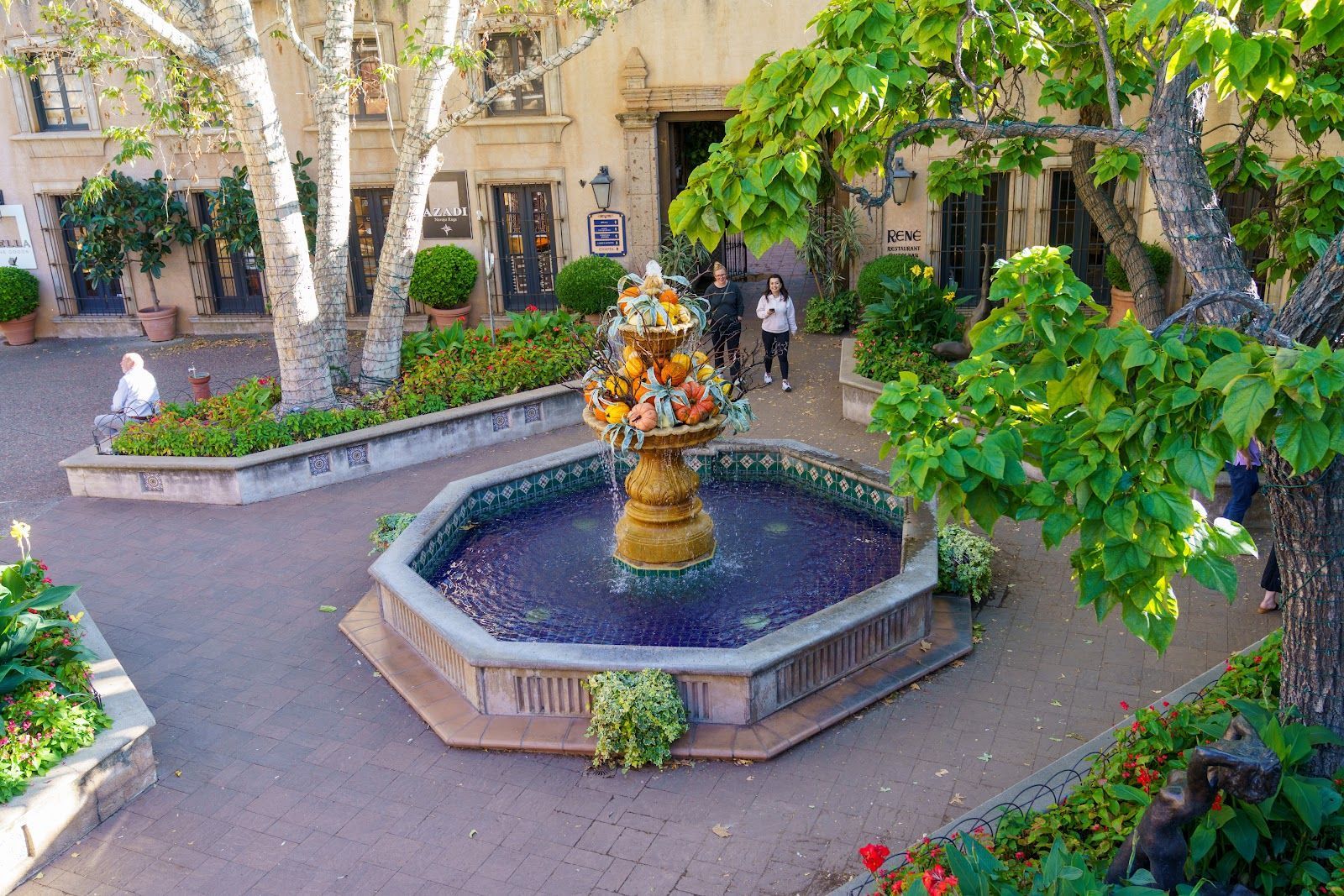
Planning a visit to Tlaquepaque in Sedona this fall? Hours, free parking, where to eat, October and November events, and a relaxed afternoon plan that works.
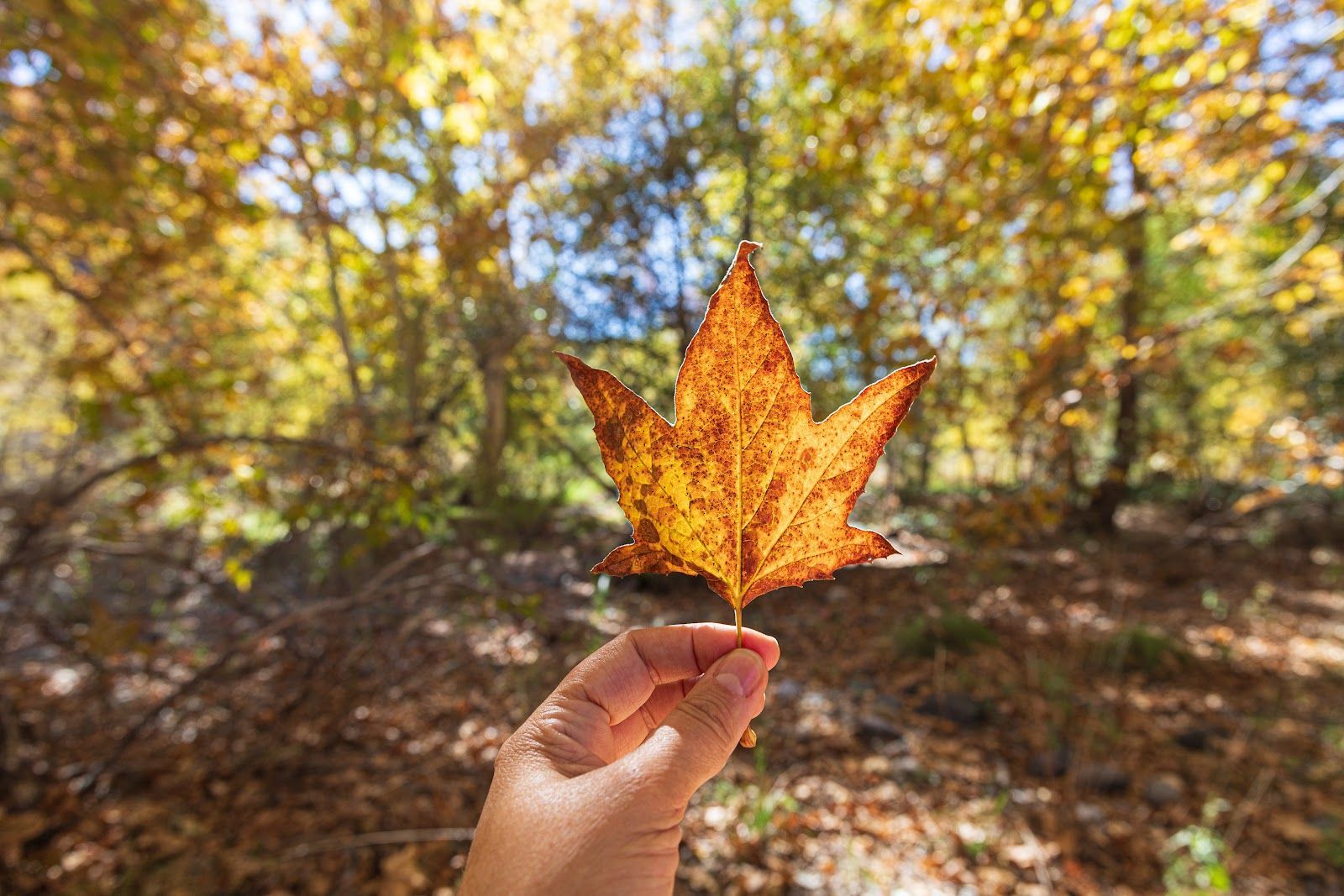
First time in Sedona in October? Every 2026 fall and Halloween event worth knowing, from Day of the Dead to Uptown Trick or Treat, plus how to enjoy them.

The best things to do in Sedona that don't require a trailhead: scenic drives, vortex overlooks, Uptown, Jerome, and a slower afternoon in town.

The real distance, the real drive time, and how to plan an arrival day that doesn't leave you exhausted before you've seen a single red rock.
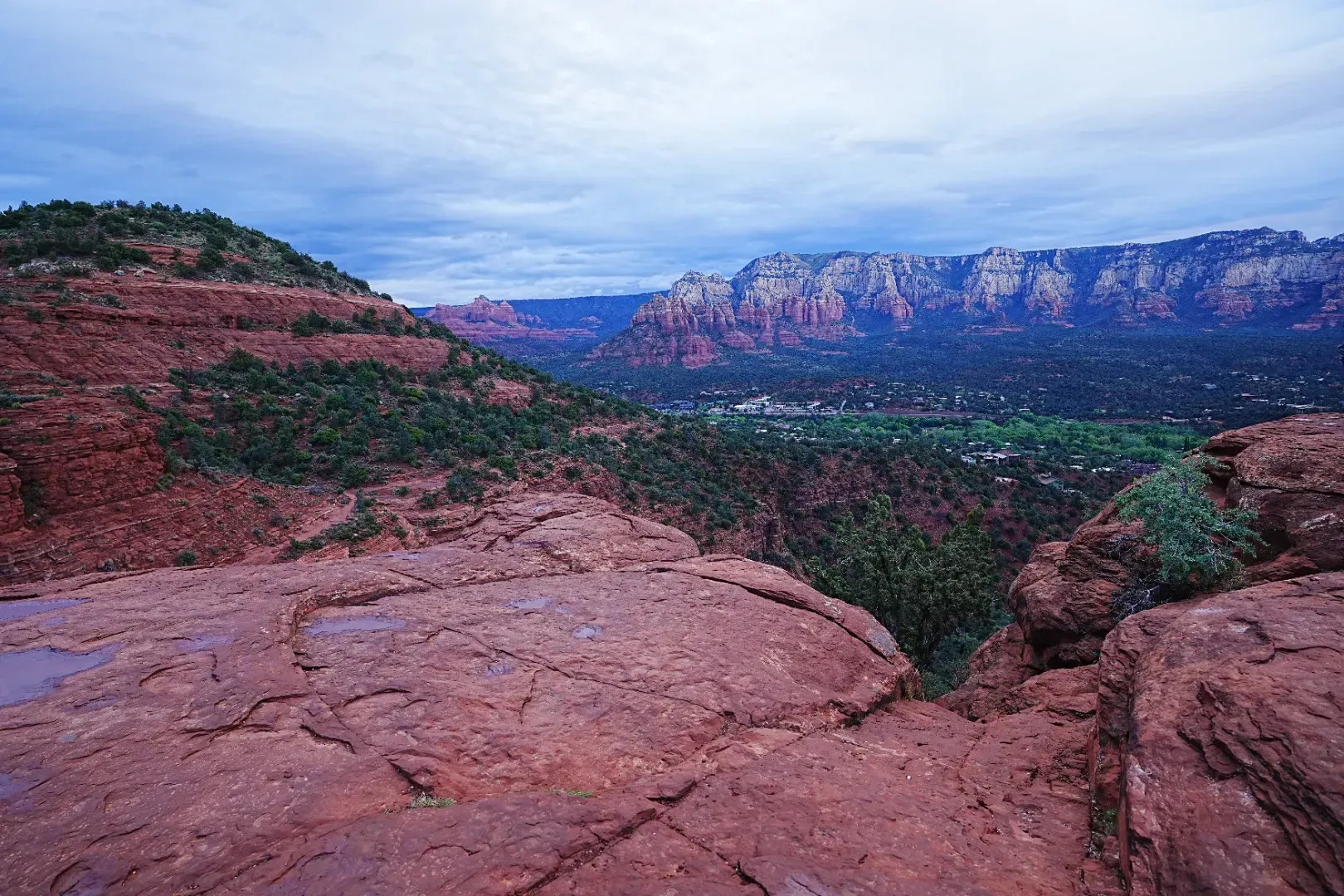
Plan the perfect 3-day Sedona wellness itinerary: red rock hikes, sauna and cold plunge recovery, salt cave sessions and slow mornings at Southwest Inn Sedona.
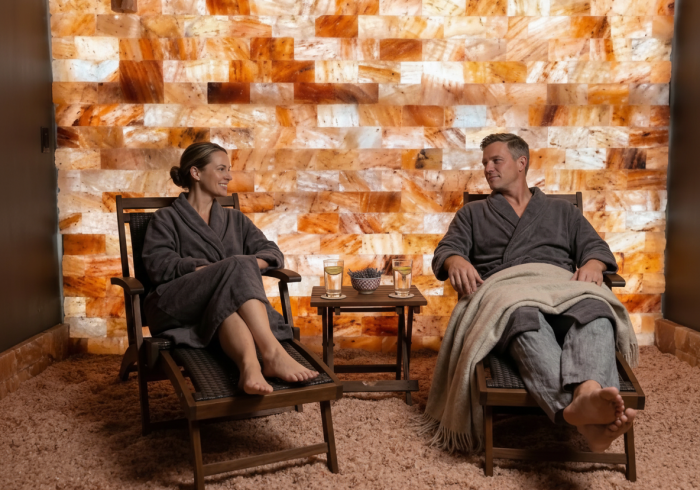
How to use heat and cold in Sedona: sauna, cold plunge and salt cave sessions, plus when to recover after a red rock hike. A simple guide from Southwest Inn Sedona.
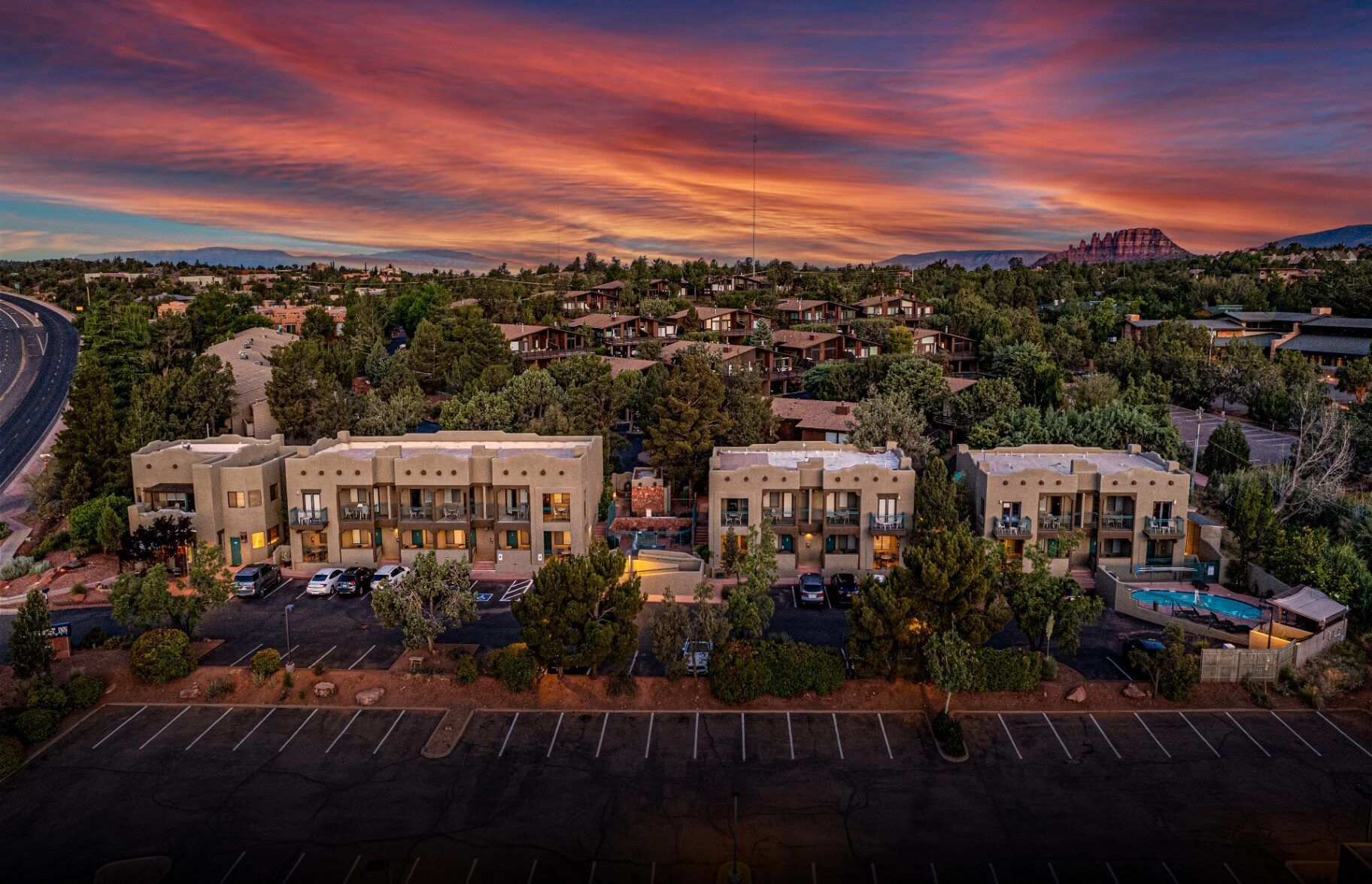
A slower Sedona weekend: fewer plans, easy hikes, sauna and salt cave time, and long sunsets. Here is how to do less and feel better at Southwest Inn Sedona.
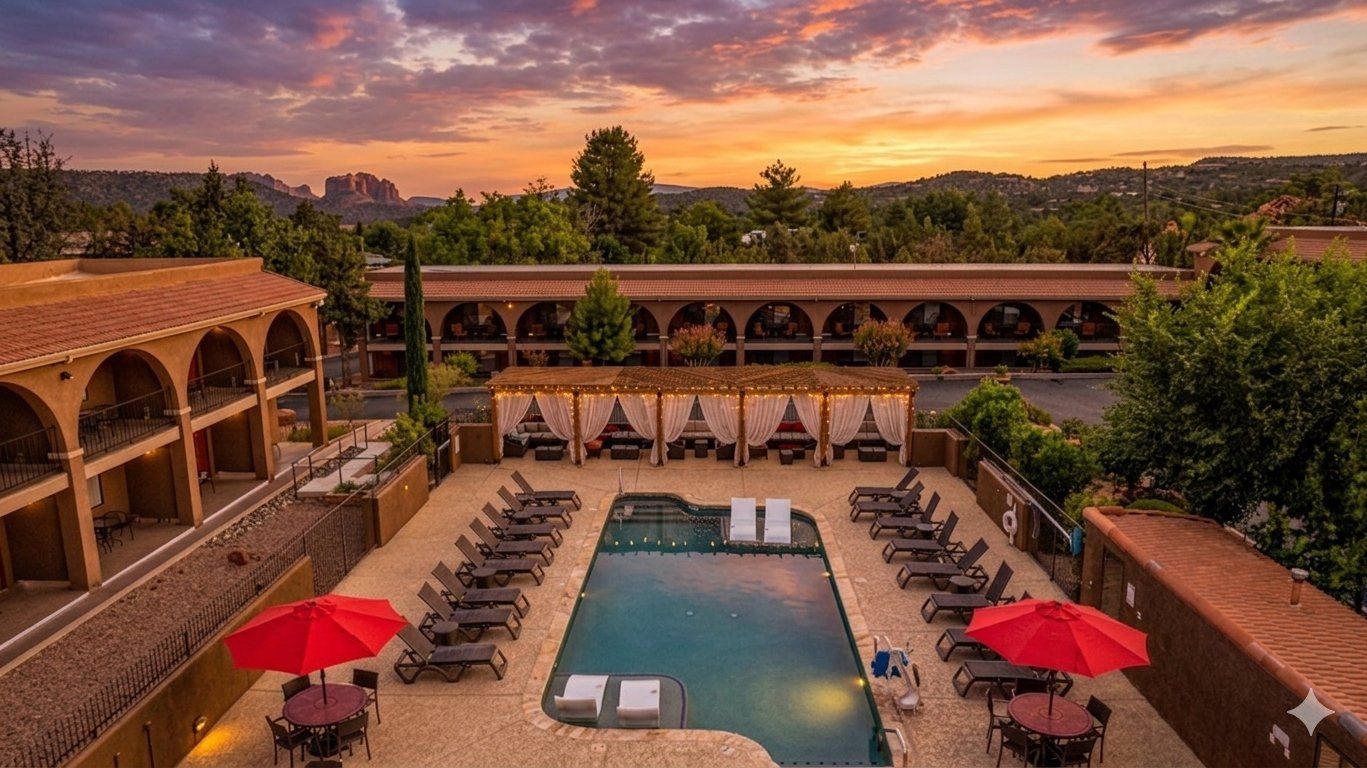
When planning a trip to Sedona, travelers often notice two common accommodation options: Hotels and inns. At first glance, they may sound interchangeable. But in Sedona, the difference between staying at a traditional hotel and staying at a boutique inn can completely shape the experience of the trip. Because Sedona itself isn’t just about checking attractions off a list. People come here to: Relax Recharge Reconnect Explore nature Enjoy slower travel Experience peaceful surroundings And the accommodations that best support that atmosphere are often boutique inns rather than large commercial hotels. At Southwest Inn at Sedona, guests experience a quieter, more personalized kind of stay built around comfort, atmosphere, fireplaces, scenic surroundings, and boutique hospitality. Here’s what truly separates an inn from a hotel — and why so many Sedona travelers now prefer the boutique inn experience. What Is a Traditional Hotel? Traditional hotels are generally designed around: Higher guest volume Standardized layouts Centralized amenities Operational efficiency Larger-scale hospitality Many large hotels prioritize convenience and consistency. Guests may find: Large parking lots Busy lobbies High foot traffic Crowded common spaces Resort-style activity centers For some travelers, that works perfectly well. But Sedona visitors increasingly seek something quieter and more experience-focused. What Defines a Boutique Inn? Boutique inns are usually: Smaller in scale More personalized More design-oriented Less crowded More atmosphere-driven Instead of emphasizing volume, boutique inns focus on: Comfort Relaxation Character Scenic connection Guest experience In Sedona especially, that boutique atmosphere aligns naturally with the destination itself. Travelers come here for peaceful energy and immersive scenery — not oversized resort crowds. Why Inns Feel More Personal One of the biggest differences guests notice immediately is the atmosphere. Boutique inns often feel: Warmer Quieter More intentional More welcoming Less commercialized At Southwest Inn at Sedona, guests enjoy: Spacious suites Cozy fireplaces Private patios and balconies Southwestern-inspired design Scenic red rock surroundings The experience feels restorative instead of hectic. That distinction matters more than ever as travelers increasingly prioritize meaningful travel experiences over large resort amenities. Why Sedona Is Ideal for Boutique Inns Sedona naturally supports slower, more experience-driven travel. Guests spend time: Hiking scenic trails Watching sunsets Relaxing outdoors Exploring galleries Enjoying wellness experiences Stargazing Boutique inns complement that pace much better than crowded resort environments. Many visitors discover they prefer: Quiet mornings Smaller properties Easier parking Peaceful evenings Personalized hospitality That’s especially true for couples planning: Anniversaries Honeymoons Romantic getaways Weekend escapes Boutique Inns vs Resorts in Sedona Large resorts often emphasize: Pools Activity schedules Large event spaces High guest capacity Entertainment-focused environments Boutique inns focus more on: Relaxation Atmosphere Privacy Scenic immersion Quiet luxury At Southwest Inn at Sedona, guests can experience Sedona’s beauty without feeling overwhelmed by crowds or oversized commercial environments. That quieter atmosphere becomes part of the appeal. Why Travelers Are Choosing Quiet Luxury Modern luxury travel has shifted significantly. Today’s travelers increasingly value: Space Calmness Thoughtful design Boutique experiences Personalized service Emotional comfort This trend is often called “quiet luxury.” And boutique inns fit that philosophy naturally. Rather than flashy excess, travelers want: Scenic surroundings Comfortable suites Cozy fireplaces Private patios Relaxing environments At Southwest Inn at Sedona, those details define the guest experience. Why Couples Especially Prefer Inns Couples visiting Sedona rarely want loud, crowded resort environments. Instead, they prioritize: Romance Privacy Atmosphere Scenic beauty Peaceful surroundings Boutique inns create space for: Slow mornings Fireplace evenings Sunset views Quiet conversations Relaxing escapes together Those moments often become the most memorable part of the trip. Why Location Matters Too Many travelers assume Uptown Sedona is automatically the best area to stay. But repeat visitors often prefer West Sedona because it offers: Less congestion Better trail access More peaceful surroundings Easier parking More relaxing accommodations Southwest Inn at Sedona provides convenient access to Sedona attractions while maintaining the calm atmosphere guests come to Sedona seeking. That balance helps create a more restorative stay overall. Final Thoughts: Choosing the Right Sedona Experience Choosing between a hotel and an inn in Sedona ultimately comes down to what kind of trip travelers want to have. If the goal is: Quiet relaxation Scenic immersion Boutique atmosphere Personalized hospitality Cozy fireplaces Private patios Romantic surroundings Then a boutique inn often creates the more memorable experience. At Southwest Inn at Sedona, guests experience Sedona at a slower, more meaningful pace designed around comfort, atmosphere, and connection to the landscape itself. Experience the Boutique Inn Difference Discover spacious suites, peaceful surroundings, fireplaces, and boutique hospitality at Southwest Inn at Sedona.Whether you’re planning a romantic getaway, wellness retreat, or relaxing desert escape, experience a quieter side of Sedona designed for comfort and connection. Book your stay directly with Southwest Inn at Sedona today.
When most travelers imagine Sedona, they picture the red rocks first. The towering sandstone formations. The glowing sunsets. The peaceful desert mornings. But what many visitors don’t realize until they arrive is that how you experience Sedona matters just as much as what you see. A private balcony or patio can completely transform a Sedona stay. Instead of simply visiting the landscape, guests become immersed in it — enjoying sunrise coffee in crisp desert air, relaxing after hikes beneath open skies, or watching sunset colors spread across the red rocks without leaving their room. At Southwest Inn at Sedona, outdoor space is part of the experience itself. Spacious suites, private patios, cozy fireplaces, and peaceful surroundings create the slower, more relaxing atmosphere travelers come to Sedona to find. If you’re searching for hotels in Sedona with private balconies and patios, here’s what to look for before booking your stay. Why Outdoor Space Matters So Much in Sedona Unlike many destinations where the hotel serves mainly as a place to sleep, Sedona encourages guests to slow down and stay present. People come here to: Relax Reconnect Hike scenic trails Watch sunsets Stargaze Enjoy wellness experiences Escape busy schedules Private outdoor space enhances every part of that experience. A balcony or patio gives guests: A quieter place to unwind Better connection to Sedona’s scenery Space away from crowded resort common areas Fresh air and natural light More privacy for romantic getaways In Sedona, those details matter. The landscape changes dramatically throughout the day. Morning light feels soft and peaceful. Golden hour turns the cliffs deep shades of red and orange. Even nighttime becomes memorable thanks to Sedona’s dark skies and calm desert atmosphere. Having private outdoor space allows guests to experience all of it more fully. The Difference Between Shared Resort Spaces and Private Patios Large resorts often advertise outdoor amenities, but many travelers quickly discover that shared pool areas and crowded courtyards don’t create the peaceful atmosphere they expected. Boutique inns offer a very different experience. At Southwest Inn at Sedona, private patios and balconies provide guests with: Quiet mornings Relaxing evenings Scenic surroundings Comfortable outdoor seating More intimate experiences for couples Instead of competing for space at crowded resort pools, guests can enjoy their own peaceful retreat. That slower pace aligns naturally with the reason many travelers visit Sedona in the first place. What to Look for in a Sedona Hotel Balcony or Patio Not every patio or balcony creates the same experience. When searching for hotels in Sedona with balconies or patios, travelers should prioritize more than just square footage. 1. Privacy Privacy dramatically affects how relaxing the outdoor experience feels. Couples especially value outdoor spaces that feel separated from heavy foot traffic and neighboring rooms. Boutique inns often provide a more peaceful environment than high-density resort layouts. 2. Scenic Surroundings A patio overlooking parking lots or busy roads won’t create the immersive Sedona atmosphere most travelers expect. The best outdoor spaces feel connected to the surrounding landscape. At Southwest Inn at Sedona, guests enjoy peaceful surroundings and beautiful red rock scenery that encourage relaxation throughout the stay. 3. Comfortable Seating A patio only becomes meaningful if guests actually want to spend time there. Comfortable outdoor seating transforms patios into: Morning coffee spaces Sunset viewing areas Evening wine spots Stargazing retreats These small moments often become guests’ favorite memories from the trip. 4. Quiet Atmosphere Sedona’s appeal comes largely from its calming energy. Travelers increasingly seek accommodations away from: Traffic congestion Crowded tourist zones Loud resort environments West Sedona boutique inns often provide the best balance between accessibility and peaceful surroundings. Best Times to Enjoy Your Sedona Patio or Balcony One of Sedona’s greatest strengths is how beautiful the environment feels throughout the day. Sunrise Early mornings in Sedona feel calm, cool, and incredibly peaceful. Many guests enjoy sitting outside with coffee while sunlight gradually illuminates the red rocks. Afternoon Relaxation After hiking trails like: Boynton Canyon Cathedral Rock Bell Rock Devil’s Bridge Guests often return ready to slow down and recover. A private patio becomes the perfect place to unwind before dinner. Sunset Sedona sunsets are legendary for a reason. The red rocks glow intensely during golden hour, creating unforgettable scenery directly from many outdoor spaces throughout West Sedona. Stargazing Sedona’s dark skies make nighttime surprisingly beautiful. Away from heavy city lighting, guests can relax outdoors beneath clear desert stars. That atmosphere feels especially memorable when paired with a quiet boutique inn stay. Why Boutique Inns Deliver a Better Sedona Experience Travel trends continue shifting toward: Quiet luxury Personalized hospitality Smaller-scale accommodations Experience-focused travel Many travelers now actively avoid oversized resorts in favor of boutique inns that feel: More relaxing More scenic More personal Less commercialized At Southwest Inn at Sedona, the focus remains on creating a peaceful experience that feels connected to Sedona itself. Guests enjoy: Spacious suites Cozy fireplaces Private patios and balconies Red rock surroundings Easy access to hiking and dining Boutique hospitality The result feels calmer and more restorative than many traditional resort stays. The Best Sedona Stays Happen Outdoors Too In Sedona, the room itself becomes part of the destination experience. Private patios and balconies allow guests to: Slow down Enjoy the scenery Relax after hiking Watch sunsets Experience the desert atmosphere more fully For couples, wellness travelers, and anyone seeking a quieter kind of getaway, those details make a meaningful difference. At Southwest Inn at Sedona, outdoor spaces are designed to complement the boutique experience guests come to Sedona to find — peaceful, scenic, and deeply relaxing. Plan Your Boutique Sedona Escape Experience spacious suites, cozy fireplaces, private patios, and peaceful red rock surroundings at Southwest Inn at Sedona. Whether you’re planning a romantic weekend, anniversary trip, or relaxing desert retreat, discover a quieter side of Sedona designed for comfort and connection. Book your stay directly with Southwest Inn at Sedona today.